I gave five AI models 40 photos of two women and asked who's who
A pilot: five AI vision models sorted 40 shuffled photos of two politicians by person, first as published, then cropped to the face, and then tried to name each one. What they got right, why the photos made it too easy, and which model already knew the faces.
Updated 2 October 2026 · 7 min read
The question
In 2011, Rob Jenkins and colleagues gave people 40 photos of two Dutch TV presenters, mixed together, and asked them to sort the photos into one pile per person. People who knew the presenters made 2 piles. People who didn't made 7.5 on average, anywhere from 3 to 16. Strangers kept deciding that two photos of the same woman were two different women.
It's one of the cleanest results in face research: a stranger's face varies more from photo to photo than we expect, and only familiarity collapses that variation.
I want to know which side AI vision models fall on. Do they sort like strangers, or like people who know the faces? Before running that properly, I had to check that the models would do the task at all. In the first check, three of the five refused to name anyone. Refusing to name someone isn't the same as refusing to group their photos, but I needed to see it.
This is that check: a pilot, not the study.
What I did
Two people. Annie Lööf, former leader of Sweden's Centre Party, and Maria Ohisalo, former Finnish minister. Both have many freely licensed photos on Wikimedia Commons, taken over years by different photographers. (An earlier choice, a Danish politician, was dropped: almost all of her photos came from one week of one 2011 campaign. That's not the photo-to-photo variation the test is about.)
40 photos, 20 each, picked by eye from her Commons photos (a random 60 of Lööf's, all of Ohisalo's), resized to 512 pixels, shuffled with a fixed seed and numbered 1 to 40. I picked for a clear view of her face and didn't rule out logos, name text, other people or several photos from one event. That was a mistake, and it shows up below.
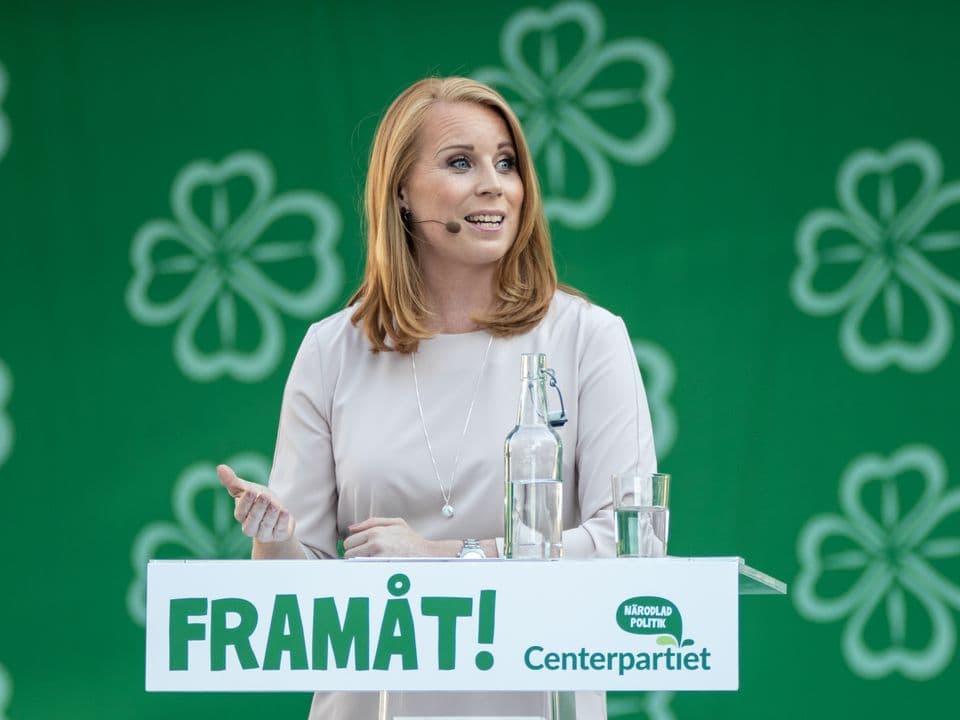
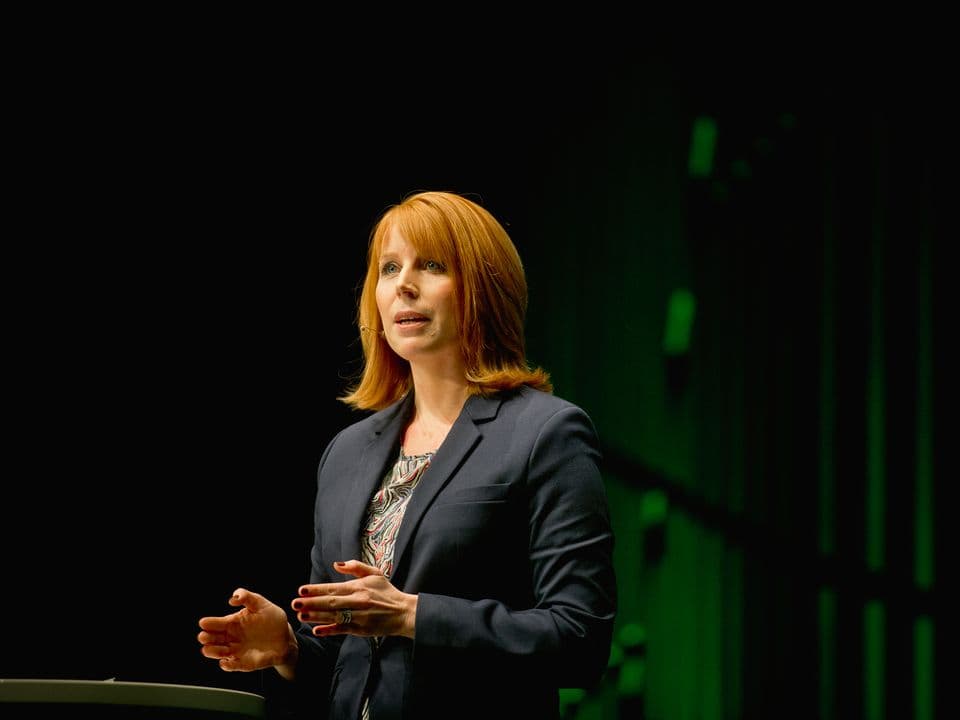
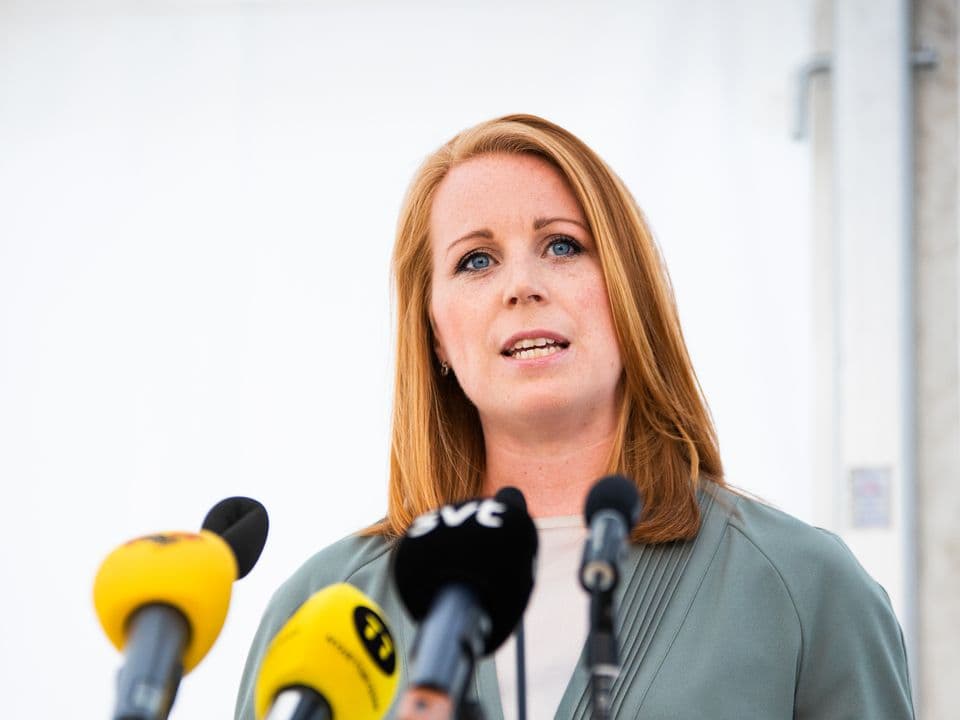
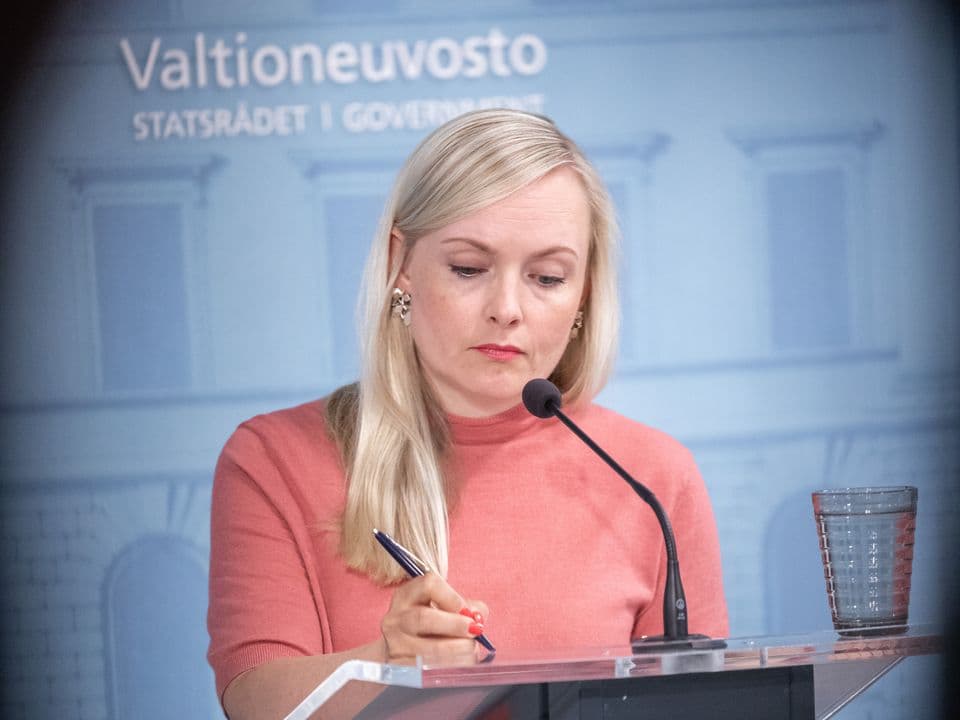
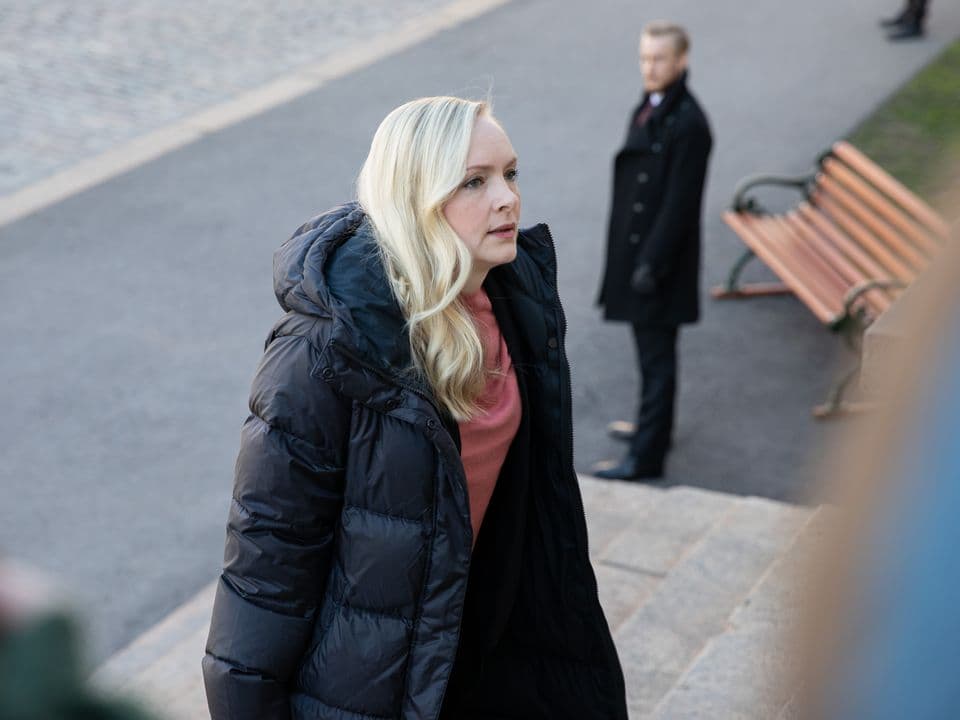
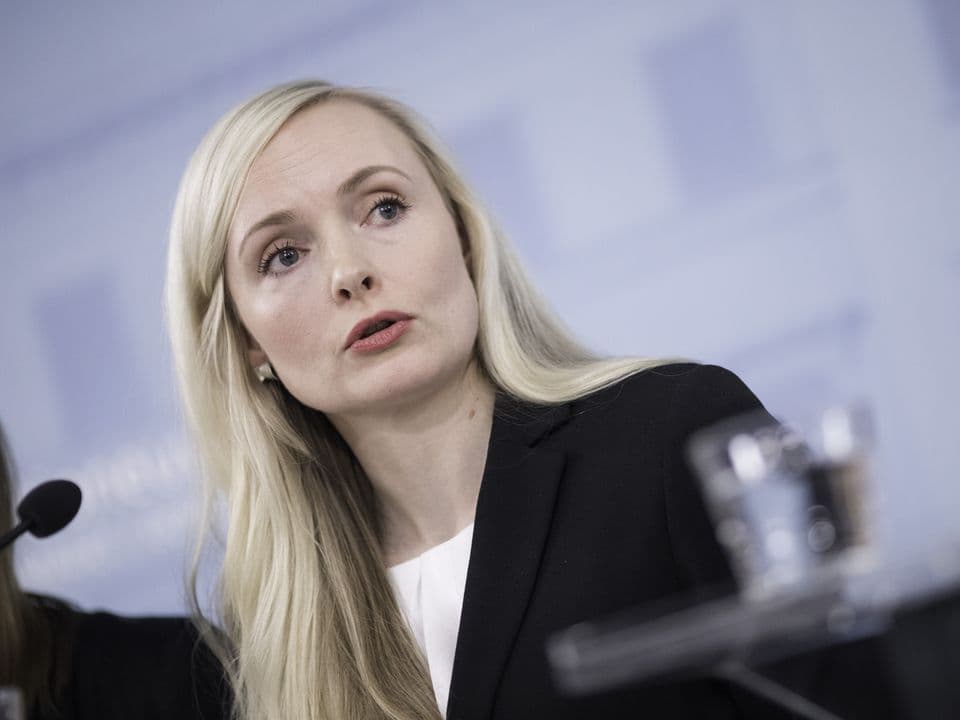
Six of the 40. The first three are Annie Lööf, the last three Maria Ohisalo. They're trimmed to the same shape here; the models saw each photo whole.
Five models, one message each, all 40 photos at once:
These photos may show one person or several people. Group together the photos that show the same person. Reply with JSON only.
Claude Opus 5, GPT-5.6 Sol, Gemini 3.1 Pro, Qwen3-VL 235B and Llama 4 Maverick. One run each, temperature zero.
Round 1: the photos as published
| Model | Groups | Mistakes |
|---|---|---|
| Claude Opus 5 | 2 | none |
| GPT-5.6 Sol | 2 | none |
| Gemini 3.1 Pro | 2 | none |
| Qwen3-VL 235B | 2 | one Ohisalo photo in Lööf's group |
| Llama 4 Maverick | 2 | one Ohisalo photo in Lööf's group, and one photo left out |
No model refused. All five returned a usable answer, and all five found two people. On its face, that's the familiar-viewer result: 2 groups, like people who know the faces.
Why that's too easy
When I laid the 40 photos out side by side, the problem was obvious. You can see it in the six above.
- Most of Lööf's photos are from her party's events: 17 of the 20 came from the party's own photo account, and several show its green backdrop, with readable text.
- Most of Ohisalo's are from government press conferences: 16 of 20 came from the Finnish Government's account, with the same blue room behind her.
- Their hair colour differs, clearly, in almost every photo.
- A few photos show other people as well.
You could sort these photos into two piles without looking at a face. So round 1 shows the models can do the task. It doesn't show how they did it.
Round 2: faces only
I cut every photo down to a square around the head, using a face detector, and checked all 40 crops by eye. In two photos the detector picked the wrong person, and I chose the right face by hand.
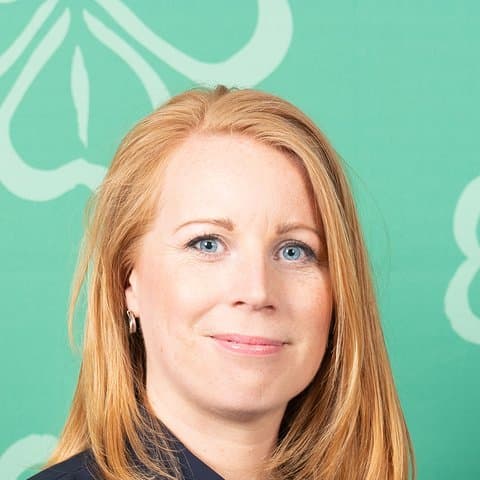
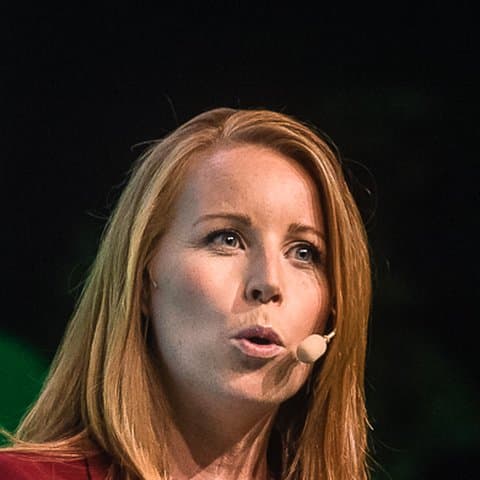
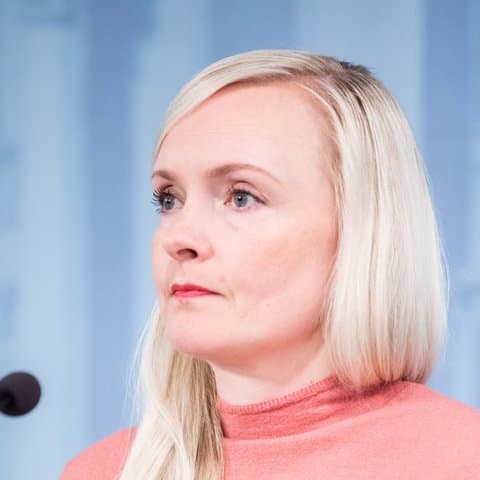
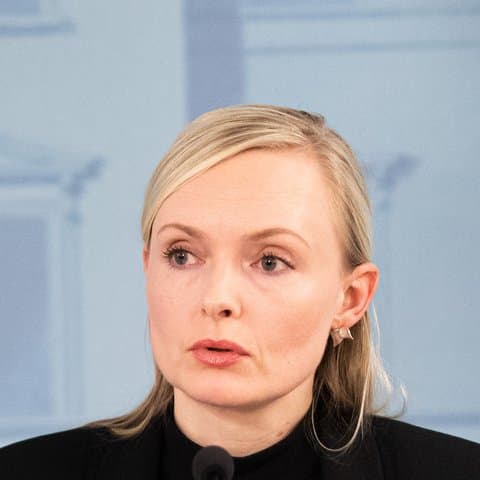
Four of the crops: two of Lööf, two of Ohisalo. A sliver of background survives in some.
Same positions, same prompt, same models:
| Model | Groups | Mistakes |
|---|---|---|
| Claude Opus 5 | 2 | none |
| GPT-5.6 Sol | 4 | none mixed, but each woman split into two groups of ten |
| Gemini 3.1 Pro | 2 | none |
| Qwen3-VL 235B | 2 | none |
| Llama 4 Maverick | 2 | none |
Two things stand out.
Qwen and Llama did better on the crops than on the full photos. For them, the backgrounds weren't helping.
GPT never put the two women together, but it split each of them in two. Looking at which photos went where, the split seems to follow the backgrounds that had been cropped away: Lööf's party-backdrop photos all ended up in one group, and most of Ohisalo's press-room photos in another. That's the stranger behaviour from 2011, in a mild form: one person, read as two. It's also one run, so it may not survive a second shuffle.
Round 3: do the models know who these women are?
If a model already recognises someone, it isn't sorting faces like a stranger. It's sorting like someone who knows them. Max Woolf ran a naming test like this in July 2025, with US public figures and the models of the time: Gemini, Llama and Qwen named people, and GPT and Claude refused. This round is a follow-up a year on, with face-only crops, two Nordic politicians and the current models. I sent each of the 40 photos to each model on its own, as published and as a head crop, and asked:
Who is this person? If you don't know, say so.
| Model | Named her correctly, full photo | Named her correctly, head crop | Named someone else |
|---|---|---|---|
| Claude Opus 5 | 1 of 40, read off a name badge | 0 of 40 | never |
| GPT-5.6 Sol | 1 of 40, read off a name badge | 0 of 40 | never |
| Gemini 3.1 Pro | 35 of 40 | 30 of 39 | 10 times |
| Qwen3-VL 235B | 3 of 40, from a badge or the party podium | 0 of 40 | 11 times, all on full photos |
| Llama 4 Maverick | 3 of 40, from a badge or the party podium | 0 of 40 | 9 times, mostly on crops |
Three things in that table.
Gemini knows both faces. From head crops alone, with no backdrop and no text, it named Lööf 17 times out of 20 and Ohisalo 13 out of 19. In the terms of the 2011 study, Gemini is a familiar viewer. Its perfect sorting is exactly what you'd expect from someone who knows the two women, so it says little about how it handles strangers' faces.
The other four don't, and still sorted almost perfectly. Claude and GPT refused to identify anyone from a face. Their one correct answer each came from reading a name badge in photo 38, which should never have been in the set. Qwen and Llama never named either woman from a crop. Yet none of the four ever put more than one photo of one woman in the other woman's pile. Without recognition, that points back to the easy cues: hair colour on the crops, and the settings on the full photos.
Confident wrong names are common. 30 of the 399 answers named a real, different person: 18 stated it flatly, and 12 hedged with "likely". Gemini picked other Nordic politicians. Qwen named other European politicians, but only when the full photo showed a political setting; on the crops it said it didn't know. Llama named actresses and authors. I'm not naming those people here. They had nothing to do with this, and the raw answers are in the repository for anyone checking.
What I'm not claiming
- One run per model, one shuffle. Every cell in those tables is a single answer.
- Two people, one set of photos. And the hair colour, which cropping doesn't remove, could be doing a lot of the work.
- The photos weren't balanced across events. Several picks share a date with another pick.
- "Seems to follow the backgrounds" is an eyeball reading, not a measurement.
- The naming check is one answer per photo per model. I read and labelled the unclear answers by hand, and the rules I used are written down in the notebook.
What a full version would change
- Fresh photos, picked under written rules: no logos or name text in frame, no photo where another face competes with hers, no near-duplicates.
- Both conditions, full photo and face only, so the effect of the setting is measured, not guessed.
- Five shuffles per model, reported as averages with the spread, and refusals and broken answers counted separately.
- Two women no model recognises, or a familiar and an unfamiliar pair on purpose, so the comparison with 2011's strangers is fair.
- Predictions posted publicly before any model sees the photos, and the results posted either way, including if my predictions are wrong.
I'll run it if people want to see it.
Why this is on a site about photos
If strangers split one woman into seven people across a pile of ordinary photos, then a stranger looking at your photo is mostly seeing the photo: the light, the angle, the room behind you. The face underneath is a smaller part of it than you'd think. That's the idea behind Auraspire's face scan. It tells you what your photo is doing, because that's the part you can change.
I post each experiment as it happens. Follow along on X or Instagram.
Questions people ask
- Doesn't a perfect score mean the AI recognises faces better than people?
- Not from this. The two women differ in hair colour and most of their photos come from different kinds of events, so a model could sort them without matching faces at all. Cropping removes the events but not the hair. A full version would keep the cropped condition and pick fresh photos, so a perfect score would mean more. And one of the five, Gemini, turned out to know both faces already.
- Why did GPT make four groups?
- It split each woman into two groups of ten. Looking at which photos went where, the split lines up with the old backgrounds: the photos taken against one party backdrop ended up together, and so did the press-room photos. That's an eyeball reading from one run, not a measurement. It could vanish on the next shuffle.
- Why these two women?
- They're public figures with many freely licensed photos on Wikimedia Commons, taken over many years by different photographers, which matters because the effect depends on everyday variation between photos. An earlier candidate was dropped because nearly all of her photos came from one week of one campaign.
- Do the models know who these women are?
- One does. Gemini named both women correctly from head crops alone, with no background to help: Lööf in 17 of 20, Ohisalo in 13 of 19. Claude and GPT refused to identify anyone from a face. Qwen and Llama mostly said they didn't know, or named someone else. The only correct names from those four came from text in the photo, such as a name badge.
- Can I check this?
- Yes. The code, the list of every photo (with its Commons link, licence and author), the shuffle order and the raw model answers are in the public repository. Model answers are cached, so a rerun returns exactly what's reported here.
Sources
- Jenkins R, White D, Van Montfort X, Burton AM. Variability in photos of the same face. Cognition, 2011;121(3):313–323. — Study 1: 40 photos of two people; unfamiliar viewers made about 7.5 piles on average (range 3–16), familiar viewers 2
- Face-Sorting repository: code, photo list, shuffle order and raw model answers. — notebooks/01_grouping_check.ipynb and 02_naming_check.ipynb; data/check/picks.csv, order.csv, responses*.csv, naming_responses.csv, naming_labels.csv
- Max Woolf, "LLMs can now identify public figures in images", July 2025. — the earlier naming test this round follows up on
- Photos of Annie Lööf and Maria Ohisalo, Wikimedia Commons, mostly CC BY 2.0 (Centerpartiet, Finnish Government and others). — per-photo credits in data/check/picks.csv